Article Info
Year: 2026
Month: June
Issue: 1
Pages:
Epilepsy, a prevalent neurological disorder marked by recurrent, unprovoked seizures, often leads to significant health and economic complications to the effected person and family[1]. There are many evidence which underlines the higher risk of epilepsy patients to poor sleep quality than the general population[2]. However, there is limited evidence on sleep quality among epilepsy patients and associated factors in Riyadh. Therefore, this study aims to compare the sleep patterns and sleep quality among epilepsy patients to non-epileptic individuals.
We conducted a case-control study at King Fahad Medical City in Riyadh, with a total of 434 patients, the sample included 171 epilepsy patients from the epilepsy clinic in KFMC aged 18-50 years, 263 non-epileptic controls from other clinic within the same Hospital. Patients completed a structured questionnaire including demographical data, medical history, and the Pittsburgh Sleep Quality Index (PSQI)
Our study shows a significant difference in sleep patterns between cases and controls. Cases shows later bedtimes (P < 0.001), longer sleep onset latency (P < 0.001), and shorter sleep durations (P < 0.001) compared to controls. Although subjective sleep quality and other individual sleep parameters did not differ significantly between groups, the Global PSQI Score was significantly higher in cases (median 8 [IQR6-10]) compared to controls (median 6 [IQR 4-9]; P = 0.001). Stratified analysis revealed significant associations between sleep disturbance and factors such as age, gender, smoking status, marital status, employment and the presence of chronic disease, with higher odds of sleep disturbance consistently found among cases (P < 0.001 for all).
Editorial note: We conclude that sleep disturbances are significantly prevalent among epilepsy patients and are affected by a range of demographic and clinical factors including age, gender, smoking status, and the presence of chronic illness. To enhance sleep quality, it is crucial to address these factors by conducting a thorough sleep evaluation, educating epilepsy patients on sleep hygiene, along with implementing targeted interventions such as smoking cessation programs.
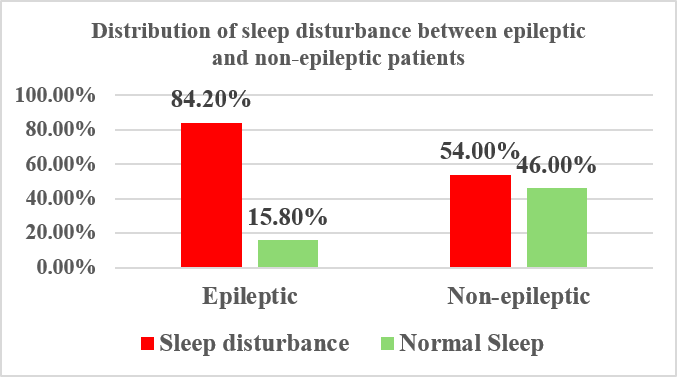
Table 4 Analysis of Pittsburgh Sleep Quality Index for Epileptic patients and controls at King Fahad Medical City, 2024
|
PISQ component |
Cases (N=171) |
Controls (N=263) |
P - value |
|
Subjective Sleep Quality |
1 [2 - 1] |
1 [1 - 0] |
0.633 |
|
Sleep Latency |
2 [2 - 2] |
1 [2 - 1] |
0.756 |
|
Sleep Duration |
1 [2 - 0] |
1 [2 - 0] |
0.986 |
|
Habitual Sleep Efficiency |
0 [0 - 0] |
0 [1 - 0] |
0.998 |
|
Sleep disturbance |
1 [1 - 1] |
1 [2 - 1] |
0.968 |
|
Use sleep Medications |
0 [2 - 0] |
0 [0 - 0] |
0.998 |
|
Daytime Dysfunction |
1 [2 - 1] |
1 [1 - 0] |
0.995 |
|
Global PISQ Score |
8 [10 - 6] |
6 [9 - 4] |
*0.001 |
Note: Continuous variables presented as Median [IQR]: interquartile Range, * Shows that P-value is statistically significant;
(<=5 indicate sleep disturbance, > 5 indicate normal sleep)
References:
1. Fisher RS, Acevedo C, Arzimanoglou A, Bogacz A, Cross JH, Elger CE, et al. ILAE official report: a practical clinical definition of epilepsy. Epilepsia. 2014 [cited 2024 Jul 2];55(4):475-82. Available from: https://pubmed.ncbi.nlm.nih.gov/24730690/
2. Zuberi SM, Wirrell E, Yozawitz E, Wilmshurst JM, Specchio N, Riney K, et al. ILAE classification and definition of epilepsy syndromes with onset in neonates and infants: Position statement by the ILAE Task Force on Nosology and Definitions. Epilepsia. 2022 Jun 01 [cited 2024 Jul 2];63(6):1349-97. Available from: https://onlinelibrary.wiley.com/doi/full/10.1111/epi.17239
ارتباطات جودة النوم المتدنية بالصرع: دراسة حالة وشاهد
يُعتبر الصرع اضطرابًا عصبيًا شائعًا يتميز بنوبات متكررة وغير مبررة، مما يؤدي غالبًا إلى مضاعفات صحية واقتصادية كبيرة على الشخص المصاب وأسرته. هناك العديد من الأدلة التي تؤكد زيادة خطر تعرض مرضى الصرع لجودة نوم منخفضة مقارنة بالسكان العامين. ومع ذلك، هناك أدلة محدودة حول جودة النوم بين مرضى الصرع والعوامل المرتبطة بذلك في الرياض. لذلك، يهدف هذه الدراسة إلى مقارنة أنماط النوم وجودة النوم بين مرضى الصرع والأفراد غير المصابين بالصرع.
أجريت دراسة حالة وشاهد في مدينة الملك فهد الطبية بالرياض، بمشاركة إجمالية بلغت 434 مريضًا، شملت العينة 171 مريضًا بالصرع من عيادة الصرع في مدينة الملك فهد الطبية تتراوح أعمارهم بين 18 و50 عامًا، و263 من غير المصابين بالصرع (ضابط) من عيادات أخرى داخل نفس المستشفى. أكمل المرضى استبيانًا منظمًا يتضمن بيانات ديموغرافية و التاريخ الطبي ومؤشر بيتسبرغ لجودة النوم (PSQI).
دراستنا تُظهر فرقًا كبيرًا في أنماط النوم بين الحالات والشواهد. حيث أظهرت الحالات مواعيد نوم متأخرة ، وفترات أطول للاستغراق في النوم، وفترات نوم أقصر مقارنةً بالشواهد. وعلى الرغم من عدم وجود فروق كبيرة بين المجموعتين في معايير جودة النوم الفردية، إلا أن درجة مؤشر جودة النوم العالمي (PSQI) كانت أعلى بشكل ملحوظ لدى الحالات مقارنةً بالشواهد. وكشفت التحليلات المتعددة عن وجود ارتباطات كبيرة بين اضطرابات النوم وعوامل مثل العمر والجنس وحالة التدخين والحالة الاجتماعية والحالة الوظيفية ووجود الأمراض المزمنة، حيث كانت احتمالات اضطرابات النوم أعلى بشكل ثابت بين الحالات لكل منها.
بشكل عام، نستنتج أن اضطرابات النوم شائعة بشكل كبير بين مرضى الصرع، وتتأثر بمجموعة من العوامل الديموغرافية والسريرية بما في ذلك العمر والجنس والتدخين ووجود الأمراض المزمنة. لتحسين جودة النوم، من الضروري معالجة هذه العوامل من خلال إجراء تقييم شامل للنوم، وتثقيف مرضى الصرع حول نظافة النوم، جنبًا إلى جنب مع تنفيذ تدخلات مستهدفة مثل برامج الإقلاع عن التدخين.